
Branding opportunities represent another major advantage. Unlike standard models, restaurant umbrellas often feature customizable canopies that can display logos, business names, or sponsor advertising. This transforms necessary shade equipment into valuable Seaside Casual Furniture USA marketing assets that reinforce brand identity and create recognizable landmarks that attract customers.
The base design proves critical for offset umbrellas due to the leverage forces involved. Most models use either a very heavy single base (often 75-200 pounds) or a cross-base design that allows for multiple weights or sandbags to be added for stability. The connection between base and vertical support must be particularly robust to handle the torque created by the cantilevered canopy.
Teak wood stands out as an umbrella frame material for several compelling reasons. Understanding these properties helps explain why manufacturers and consumers increasingly choose this option over other materials.
Price considerations should balance initial cost against expected lifespan. Basic fiberglass umbrellas start around $30-50, mid-range options fall between $50-150, and premium models can exceed $200. For patio umbrellas, expect to pay $100-300 for quality fiberglass models, with commercial-grade versions reaching $500 or more.
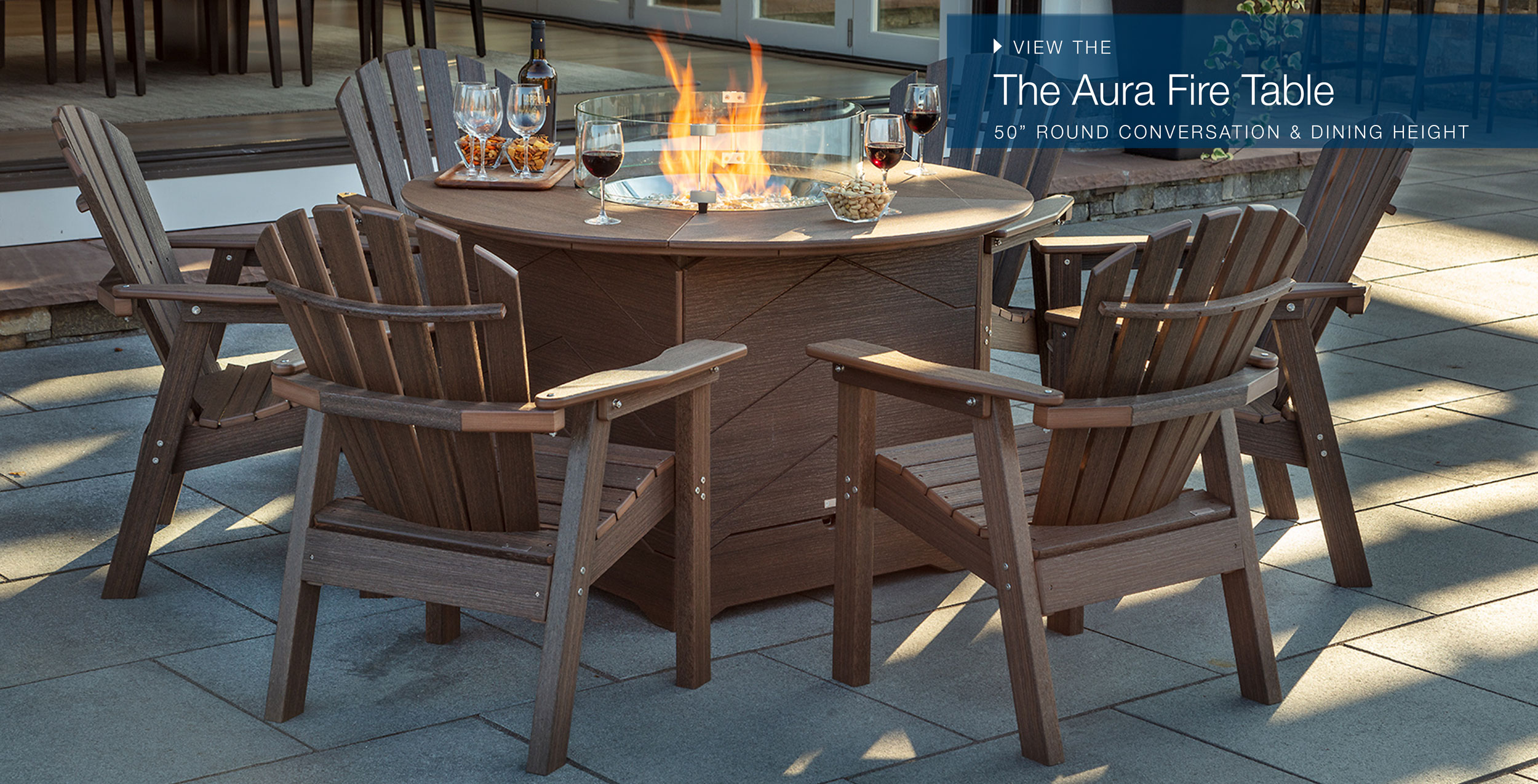
Communal area umbrellas provide shade for shared outdoor living spaces beyond the pool. These might include barbecue areas, fire pit surrounds, or general gathering spaces. They typically coordinate with but may differ slightly from pool umbrellas to define different activity zones within the community. Many feature larger canopies to accommodate group seating arrangements.
Fiberlite umbrellas represent a significant advancement in the world of portable shelter solutions. These impressive umbrellas combine durability with lightweight materials, making them an optimal choice for individuals seeking reliable protection from the elements. As we explore the various aspects of Fiberlite umbrellas, it becomes evident that their design and functionality cater to a wide array of needs, from everyday use to specialized applications.
Opening mechanisms range from simple to sophisticated. Traditional pulley systems with cleats to secure the lines offer reliability with minimal parts that might fail. Crank systems provide easier operation but include more components that could potentially require maintenance. Consider your physical abilities and frequency of use when selecting between these options.