
One of the most striking features of Fiberlite Umbrellas is their impressive ability to resist strong winds. Traditional umbrellas often falter in harsh weather, leading to frustration and potential damage. Fiberlite Umbrellas, on the other hand, utilize advanced engineering techniques to create a design that can bend without breaking, allowing them to endure the challenges of unpredictable weather. This resilience not only enhances the user experience but also extends the lifespan of the product, making it a wise investment for consumers.
The environmental impact of Sunbrella umbrellas presents a nuanced picture that environmentally conscious consumers should consider. Understanding both the positive and negative aspects helps make informed purchasing decisions.
Outdoor spaces have become extensions of our homes, providing additional living areas where we can relax, entertain, and connect with nature. At the heart of these outdoor sanctuaries lies the furniture we choose, which not only defines the functionality of the space but also Libeccio Extension Table establishes its aesthetic appeal. Among the various materials available for outdoor furniture, wood stands as perhaps the most timeless and versatile option, offering a natural warmth and character that synthetic alternatives simply cannot match. From the rich, honey tones of teak to the rustic charm of reclaimed barn wood, wooden outdoor furniture brings an organic element to our patios, decks, and gardens that resonates with our innate connection to the natural world.
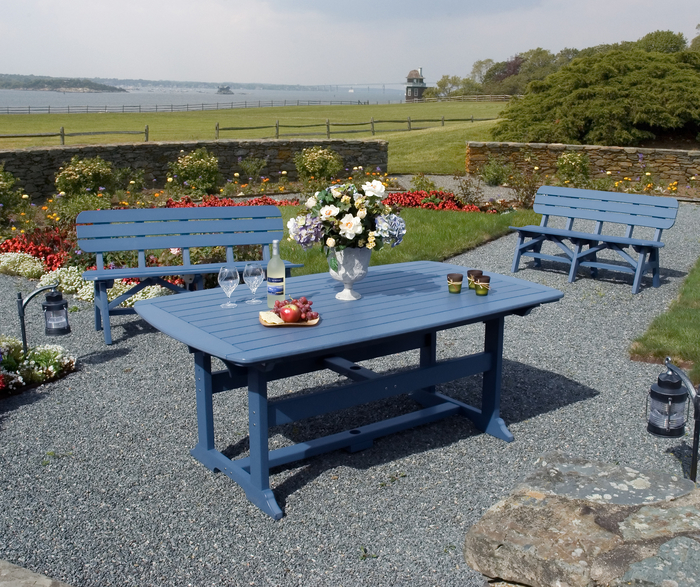
Contemporary architectural settings call for wooden outdoor dining table furniture that acknowledges traditional materials while expressing modern design sensibilities. Clean lines, minimal ornamentation, and often the combination of wood with metal, concrete, or glass create pieces that complement modern structures without mimicking their sometimes hard-edged aesthetic. The natural warmth of wood provides a welcome counterbalance to the cool tones of contemporary architecture, creating outdoor spaces that feel inviting rather than austere. In these contexts, woods with distinctive grain patterns like teak or acacia often feature prominently, their natural variations providing visual interest within the disciplined forms of modern design.
The superior frame strength represents perhaps the most important attribute of restaurant umbrella construction. When deployed in busy commercial settings, these umbrellas withstand constant adjustment, occasional impacts, and frequent opening and closing. This characteristic significantly extends their lifespan dining table and prevents the frustrating experience of having umbrellas fail during service hours when guests need protection most.
Mounting systems vary based on installation constraints and operational preferences. In-table mounts provide clean integration with dining furniture but limit flexibility in umbrella positioning. Freestanding bases offer dining table more placement options but require floor space and create potential obstacles. Side-mount or wall-attached systems work well for perimeter seating without consuming valuable floor area. Many restaurants employ multiple mounting approaches across their outdoor spaces to address specific needs in different zones.
In addition to practicality, Fiberlite patio umbrellas can also be aesthetically pleasing. They are available in a variety of colors and designs, allowing businesses to choose options that align with their branding and ambiance. The ability to customize the look of the umbrellas can help create a cohesive outdoor environment that resonates with customers. A well-designed outdoor space can attract more patrons and encourage social media sharing, providing additional marketing benefits.